eSIM vs Local SIM Card: Which Should You Get for Travel?
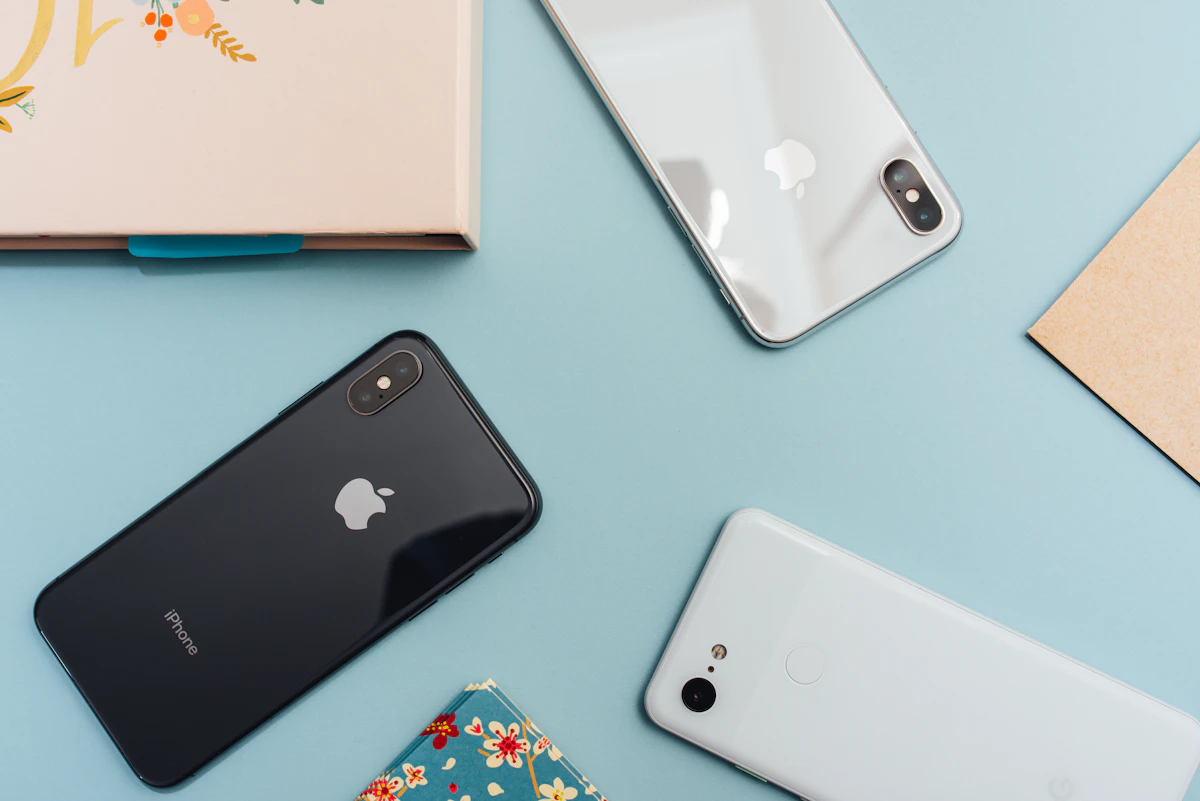
The days of hunting for a SIM card vendor at 2am in a foreign airport are numbered. eSIMs have transformed how travelers stay connected — but they're not always the best choice.
Here's an honest comparison to help you decide.
What's an eSIM?
An eSIM is a digital SIM card embedded in your phone. Instead of swapping a physical card, you scan a QR code and activate a data plan instantly. No tools, no tiny trays, no losing your home SIM.
Supported devices: iPhone XS and newer, Samsung Galaxy S20+, Google Pixel 3+, and most flagship phones from 2020 onward.
The Comparison
Cost
| eSIM | Local SIM | |
|---|---|---|
| 7-day plan | $5–15 | $3–8 |
| 30-day plan | $15–40 | $5–15 |
| Unlimited data | $20–50/week | $10–25/month |
Winner: Local SIM — typically 2–3x cheaper, especially for longer stays.
Convenience
| eSIM | Local SIM | |
|---|---|---|
| Setup time | 2 minutes from home | 15–30 min at airport |
| Language barrier | None | Sometimes |
| Available before arrival | Yes | No |
| Keep home number | Yes (dual SIM) | Depends on phone |
Winner: eSIM — set up from your couch before the flight.
Coverage & Speed
eSIM providers like Airalo and Holafly partner with local carriers, so coverage is usually identical. However:
- Local SIMs sometimes get priority on congested towers
- eSIMs may have slower speeds in rural areas in some countries
- Local SIMs give you a local phone number (needed for some apps)
Winner: Local SIM — marginal edge in speed and you get a local number.
Data Limits
- Airalo: 1GB to 20GB plans, no unlimited
- Holafly: Unlimited data (but may throttle after heavy use)
- Local SIMs: Genuinely unlimited in most countries for $10–20/month
Winner: Tie — depends on your usage.
Our Recommendation
Get an eSIM if:
- You're visiting for under 2 weeks
- You want connectivity the moment you land
- You're visiting multiple countries (regional eSIMs cover 10+ countries)
- You don't want to deal with airport SIM vendors
Get a local SIM if:
- You're staying 2+ weeks in one country
- You need a local phone number (for Grab, food delivery, banking apps)
- You're on a tight budget
- You're in a country where eSIM coverage is limited
The power move: Both
If your phone supports dual SIM (most modern phones do), use an eSIM for data and keep your home SIM for calls/texts. Buy a local SIM only if you need a local number for app registrations.
Best eSIM Providers
- Airalo — Widest country coverage (200+ countries), flexible plans, good app
- Holafly — Best for unlimited data, but fewer countries
- Nomad — Competitive pricing, good for Asia
- Ubigi — Strong European coverage
Country-Specific Notes
- Japan: eSIM works perfectly. Local SIMs are overpriced at airports.
- China: You need a VPN regardless. eSIM + VPN is the easiest setup.
- Vietnam: Local SIMs are incredibly cheap ($3 for 30 days). eSIM is unnecessary unless convenience matters.
- Indonesia: Local SIM registration requires passport scan at the store.
- Thailand: Both work well. Airport SIM deals are competitive.
Bottom Line
For most travelers making a 1–2 week trip, an eSIM is the smart choice. The convenience of having data the second you land is worth the small premium. For digital nomads or month-long stays, a local SIM saves real money.
Check our country guides for specific eSIM and connectivity recommendations.
Prices reflect April 2026 averages. Actual costs vary by provider and country.
Countries mentioned
 Thailand
 Japan
Japan Vietnam
 Indonesia
 South Korea
Regions covered
Stay in the loop
New countries, app guides, and travel tips delivered to your inbox. Unsubscribe anytime.